
Sofas, chairs, ottomans, and other upholstered furniture are among the most frequently used items in a home. They are exposed to food spills, drink stains, body oils, dust, pet hair, and everyday wear, often without receiving the same cleaning attention as carpets or hard floors. Over time, this buildup can make furniture look tired and leave fabrics feeling less fresh. While regular vacuuming and occasional spot treatment can help with surface dirt, they may not address contamination that has worked deeper into the upholstery. Professional upholstery cleaning can provide a more thorough approach while taking the fabric's material, condition, and cleaning requirements into consideration.
Why Upholstered Furniture Gets Dirty So Easily
Upholstered furniture naturally collects dirt because of how often it is used. Every time someone sits on a sofa or chair, small amounts of dust, skin particles, oils, and debris can transfer onto the fabric. Pets can add another layer of hair, dander, and outdoor dirt.
Food and beverages create additional challenges. A small spill may initially appear insignificant, but liquids can travel beneath the surface and leave behind discoloration or odors. In busy households, repeated exposure gradually changes the appearance of upholstery.
Because much of this buildup is not immediately visible, furniture can appear reasonably clean while still containing a significant amount of embedded soil.
Vacuuming Helps, But It Has Limitations
Regular vacuuming is an important part of upholstery maintenance. It can remove loose dust, crumbs, pet hair, and other particles before they become embedded in the fabric.
However, vacuuming cannot remove everything. Oils, sticky residues, spills, and deeply embedded particles may remain attached to or within the upholstery fibers.
This is why professional cleaning can complement routine maintenance. Rather than replacing everyday care, a deeper cleaning process addresses types of soil that ordinary vacuuming may not effectively remove.
Stubborn Stains Need the Right Approach
One of the biggest mistakes homeowners make is treating every stain in the same way. Different substances respond differently to cleaning methods. Coffee, grease, ink, food, pet accidents, and colored beverages may require different treatments.
Aggressive scrubbing can also create additional problems. Excessive friction may spread a stain, affect the fabric's texture, or cause visible wear in the treated area.
Professional cleaners can evaluate the type of upholstery and the nature of the stain before selecting an appropriate cleaning method. This helps reduce the risk of using a product or technique that is unsuitable for the furniture.
Cleaning Can Help With Lingering Odors
Unpleasant furniture odors are not always caused by something sitting on the surface. Spills, pet accidents, body oils, and other substances can penetrate into upholstery and contribute to persistent smells.
Simply spraying an air freshener may temporarily mask the odor without addressing its source. Likewise, applying heavily scented products can leave behind additional residue.
A proper cleaning process aims to remove the material contributing to the odor rather than simply covering it. The exact approach depends on the upholstery and the source of the smell.
Different Fabrics Require Different Care
Not all furniture fabrics can be treated identically. Materials vary in their response to moisture, cleaning products, heat, and agitation.
Some upholstery may tolerate water-based cleaning, while other materials require a more controlled or specialized approach. Furniture may also contain delicate trims, backing materials, or construction features that need to be considered.
Using the wrong cleaning method can lead to discoloration, shrinking, texture changes, or other unwanted results. Understanding the manufacturer's care instructions and assessing the material before cleaning are important steps in protecting the furniture.
Professional Equipment Can Reach Deeper
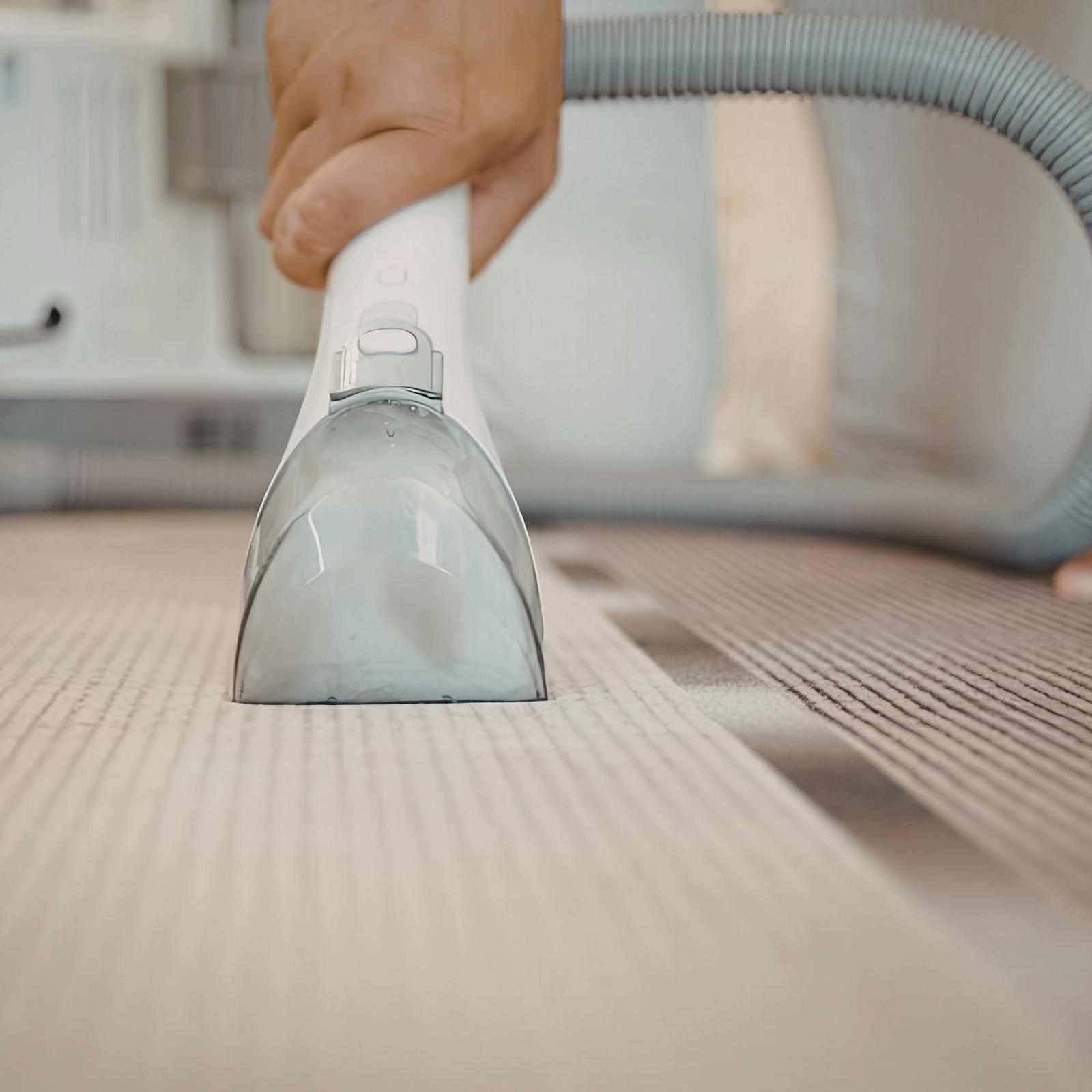
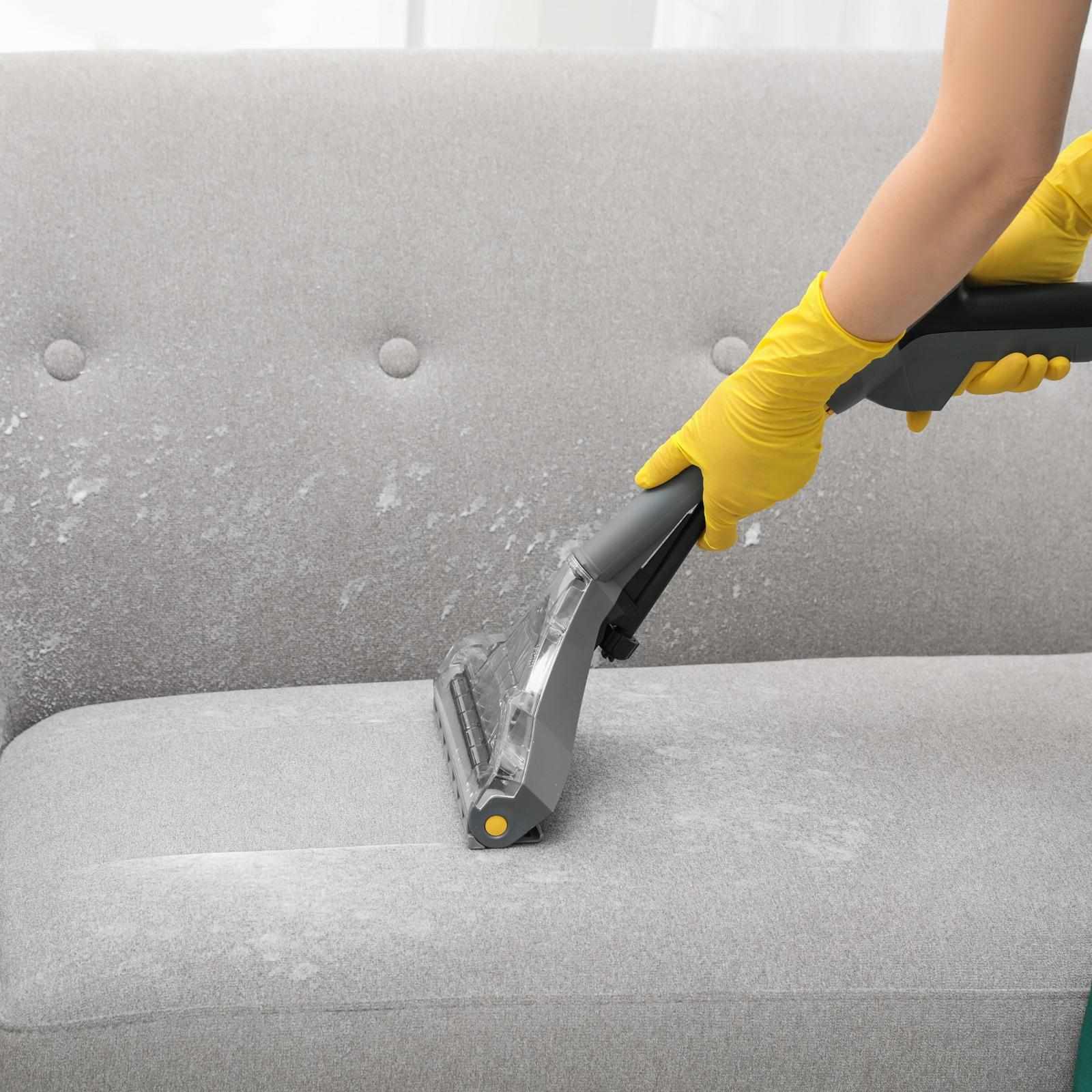
Household cleaning tools are useful for everyday maintenance, but professional equipment is designed to handle more intensive cleaning requirements. Depending on the material and cleaning method, specialized equipment can help extract moisture and loosen embedded soil more effectively.
Professional processes may also provide more consistent results across larger pieces of furniture. Instead of concentrating only on visible stains, the entire upholstery surface can be assessed and treated appropriately.
This can be especially helpful for large sofas or heavily used furniture where surface cleaning alone does not provide the desired improvement.
Regular Cleaning Can Support Furniture Maintenance
Professional cleaning does not need to wait until furniture looks extremely dirty. Periodic maintenance can help prevent soil from accumulating to the point where it becomes difficult to remove.
How often furniture should be professionally cleaned depends on several factors, including household size, frequency of use, pets, children, allergies, and the type of upholstery.
High-use sofas may need more attention than furniture located in formal rooms that receive little traffic. Establishing a sensible maintenance routine can help preserve the appearance of upholstery and reduce the amount of deeply embedded buildup.
Avoid Waiting Until Damage Becomes Permanent
Some stains become increasingly difficult to address when they are allowed to remain untreated for long periods. Certain substances can react with fabric dyes or become more firmly attached to the fibers over time.
This does not mean every old stain is impossible to remove, but waiting can reduce the likelihood of achieving the best possible result.
When a spill occurs, gently blotting it as soon as possible is usually preferable to rubbing it aggressively. If the mark remains or the furniture is made from a delicate material, professional assessment may be the safer option.
Professional Cleaning Can Improve More Than Appearance
Clean upholstery can make a room feel fresher and more comfortable, but the benefits extend beyond appearance. Removing accumulated dust, debris, residues, and other contaminants can contribute to a cleaner indoor environment.
It can also help restore the texture and overall presentation of furniture that has become dull through everyday use. While professional cleaning cannot reverse permanent fabric damage or normal aging, it can help maintain furniture that is otherwise in good condition.
The key is to treat upholstery as part of the home's overall cleaning routine rather than an item that only needs attention after a major spill.
Conclusion
Stained sofas and dirty furniture are common household problems, but they do not always require replacement. Regular vacuuming, prompt attention to spills, and appropriate professional cleaning can help maintain upholstery and improve its appearance over time. The most important consideration is choosing a cleaning method that matches the fabric and addresses the actual source of the dirt, stains, or odors.
For homeowners seeking professional help with carpets, rugs, tile, and upholstered furniture, Aery’s Carpet & Tile Cleaning provides cleaning services designed to address everyday household cleaning challenges. Giving furniture proper care can help it stay fresher, more comfortable, and presentable while supporting a longer useful life.


Write a comment ...